

Cultural differences shape casino experiences around the world
Understanding Global Casino Cultures
Cultural differences significantly impact how individuals interact with casinos around the world. In some cultures, gambling is seen as a social activity that brings people together, while in others, it may carry a stigma. For instance, in many Asian countries, such as China, gambling is intertwined with social customs and family gatherings. Major events like Chinese New Year often see families visiting casinos as part of their celebration, highlighting a communal experience that emphasizes luck and prosperity. Additionally, you can explore various welcome bonus betting sites that reflect these cultural nuances.

Conversely, in Western societies, gambling can often be more solitary. Casinos are viewed as entertainment venues where individuals seek personal enjoyment. The Las Vegas Strip, for example, represents a vibrant nightlife filled with various entertainment options, where people often visit to experience the thrill of gambling while enjoying shows, dining, and nightlife. This individualistic approach contrasts sharply with cultures that prioritize community engagement in gambling activities.
Moreover, the regulations governing casinos often reflect cultural attitudes towards gambling. In places like the United States, where gambling is legal in many states, the industry is heavily regulated and commercialized. In contrast, countries with stricter laws may have fewer casinos or limit gambling to specific areas, affecting how locals and tourists engage with these establishments. Understanding these cultural nuances is essential for anyone looking to navigate the global casino landscape.
Gambling Etiquette and Behavior
Etiquette surrounding gambling can vary greatly across different cultures, influencing the overall casino experience. In Japan, for example, pachinko parlors, a form of gambling, have strict unwritten rules regarding behavior. Players are expected to maintain a calm demeanor, reflecting a cultural value of restraint and respect. This contrasts with the often boisterous and loud environments found in American casinos, where players may cheer or express emotions freely.
In European casinos, such as those in Monte Carlo, formal attire is often required, reflecting the luxurious atmosphere and expectations of sophistication. Players are expected to adhere to a certain standard of decorum, which can significantly alter the experience for tourists unfamiliar with these customs. This emphasis on etiquette can enhance the overall ambiance, making gambling feel like an exclusive event rather than just a game of chance.
These variances in gambling behavior also affect how players perceive winnings and losses. In cultures where communal gambling is more prevalent, losing might be seen as a shared experience, while winning is celebrated collectively. In contrast, in more individualistic societies, players often internalize their losses and victories, leading to a different emotional response during gameplay. Understanding these etiquettes can help visitors navigate casinos more effectively and enrich their experiences.
Game Preferences Across Cultures
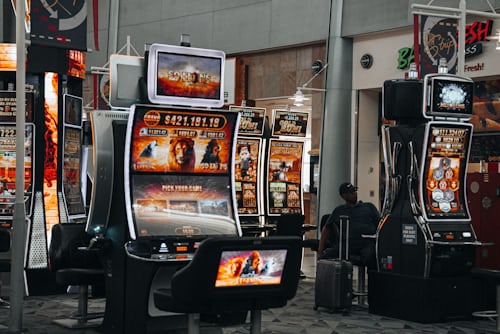
The types of games that people prefer can reveal much about cultural attitudes towards gambling. In the United States, slot machines dominate the casino landscape due to their simplicity and fast-paced nature, appealing to a wide audience. The flashy graphics and sound effects create an exciting environment where players can quickly win or lose. This preference reflects the American tendency toward immediate gratification and entertainment.
In contrast, traditional games like baccarat or pai gow poker are more popular in many Asian casinos. These games often involve strategy and skill, appealing to players who enjoy a more calculated approach to gambling. Such preferences can be attributed to cultural values that emphasize patience and mastery, diverging from the instant gratification that slot machines offer.
Additonally, the popularity of certain games may also be influenced by historical contexts and societal norms. For instance, in many Middle Eastern countries where gambling is prohibited, underground gambling activities often revolve around local card games. This creates an entirely different underground culture that thrives on secrecy and social networks. Understanding these preferences provides insight into how culture shapes not only individual choices but also the overall gaming landscape in various regions.
Casino Architecture and Atmosphere
The architectural design and atmosphere of casinos are often reflections of the culture and values of the region they inhabit. In Las Vegas, for instance, the opulent designs and themed casinos aim to create a fantastical environment that transports players into another world. The integration of entertainment, dining, and shopping within the casino complex embodies the American culture of excess and entertainment.
On the other hand, casinos in Europe, particularly in places like Monte Carlo, often feature classic architecture with an emphasis on elegance and history. The decor is designed to evoke a sense of sophistication, appealing to a clientele that values tradition and luxury. This architectural choice influences how players engage with the space, fostering an atmosphere of elegance and exclusivity.
In Asian casinos, such as those found in Singapore, the architectural designs often incorporate natural elements and are designed to provide a serene environment. This reflects a cultural preference for harmony and balance, contrasting sharply with the often over-the-top designs seen in Western casinos. The atmosphere created by these architectural choices significantly influences the overall gaming experience, shaping how individuals perceive their time spent in these venues.
Exploring Your Casino Experience Online
As the digital landscape evolves, understanding cultural differences in online gambling is becoming increasingly important. Online casinos have emerged as a popular alternative, offering a convenient way to engage with gaming while respecting cultural nuances. Many platforms cater to specific cultural preferences, from the types of games offered to the overall user experience. For example, some online casinos feature traditional games that resonate with particular cultural backgrounds, making them more appealing to diverse audiences.
Additionally, the online gambling experience can reflect cultural values in communication and customer service. Websites catering to a European audience may emphasize a more formal tone, while those targeting an American demographic might adopt a casual and friendly approach. This cultural tailoring enhances user experience, allowing players to feel more at ease while navigating their gambling journey.
As you explore various online casino platforms, it’s crucial to consider how cultural preferences shape your experience. Whether you prefer the fast-paced thrill of slots or the strategic depth of table games, recognizing the role of culture in these choices can lead to a more fulfilling gambling experience. Engaging with platforms that resonate with your cultural values ensures that your time spent online is enjoyable and meaningful.